Church Adopts Unreached People Group
Your church probably supports missionaries, but does your entire congregation have a culture where missions is part of their DNA?
Grace Church at Willow Valley does—but that culture wasn't built overnight. They’ve spent more than a decade intentionally help every member see that missions isn't just for missionaries, pastors, or a committee—it's something every believer can and should participate in.
"Our goal has been to create a culture where missions is important to everybody, and everybody has a part," says Holly Wismer, their Director of Missions and Care. Rather than treating missions as a budget item or occasional prayer request, the church has sought to make it a more prevalent part of their everyday lives.
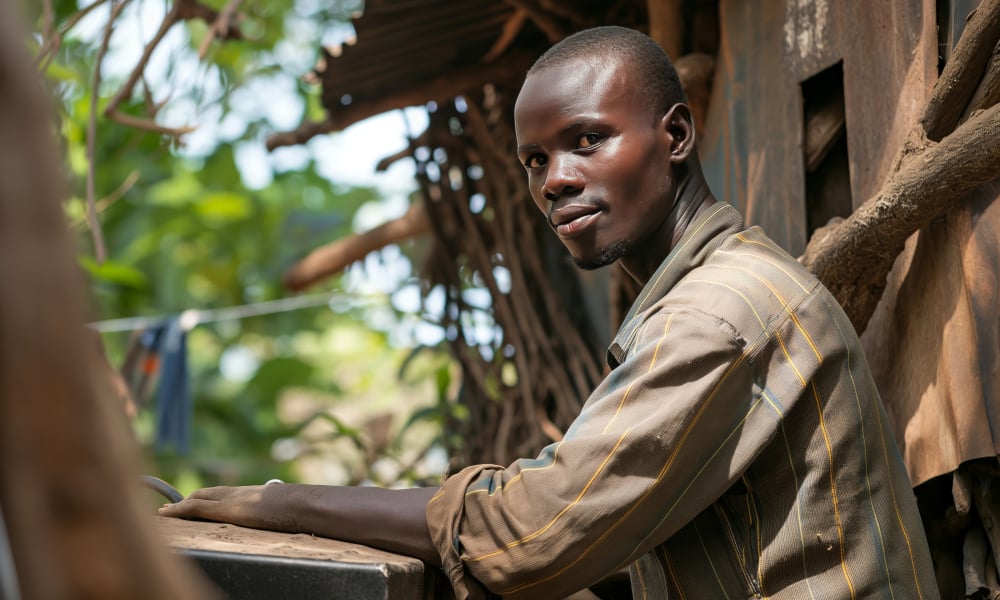
One effective missions initiative they pursued started about eight years ago when the church chose to adopt the unreached Rangi people group of Tanzania. The church started by introducing the congregation to who the Rangi were, why they were considered unreached, and how members could pray for them. When the New Testament was translated into the Rangi language, the church watched videos of the dedication celebration and devoted an entire worship service to thanking God for what He had done. "We wanted everyone to connect with the story of what God is doing," Holly explains. "Not just our story, but God's larger story."
The church has also hosted events such as a 24-hour prayer vigil focused on the Rangi people. And more recently, members prayed for specific evangelists who were preparing to share the gospel among the Rangi.
Over time, their congregation has come to deeply love and care for the Rangi people.
In addition to adopting the Rangi people, the church has also used missions-focused documentaries and Bible studies to cultivate a heart for cross-cultural ministry. They also provide a monthly prayer guide that keeps the congregation informed on the prayer requests of their missionaries.
Holly says that one of the church's most effective strategies has been weaving missions throughout the year rather than confining it to a single event. She and her team are constantly asking questions like:
-
How can our Vacation Bible School help children become excited about missions?
-
What Sunday school classes might help adults better understand God's work around the world?
-
How can youth, young adults, and seniors be challenged to consider their role in the Great Commission?
For churches wondering where to begin, Holly encourages leaders to think less about launching a major initiative and more about taking intentional steps over time. "Think of a couple of big ideas you want to accomplish," she says. "Then add things throughout the year that expose people to missions."
More Stories